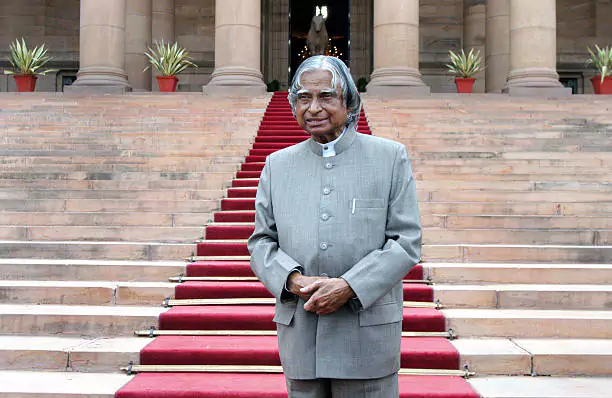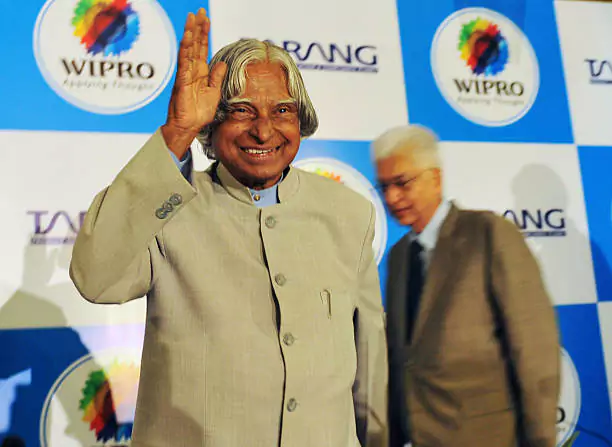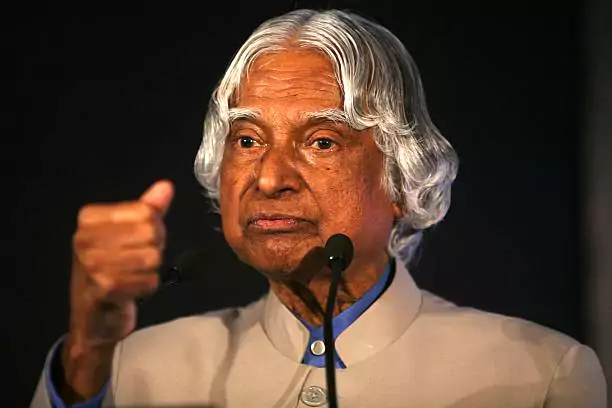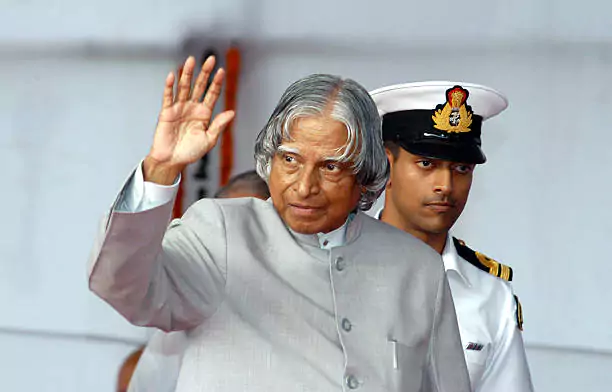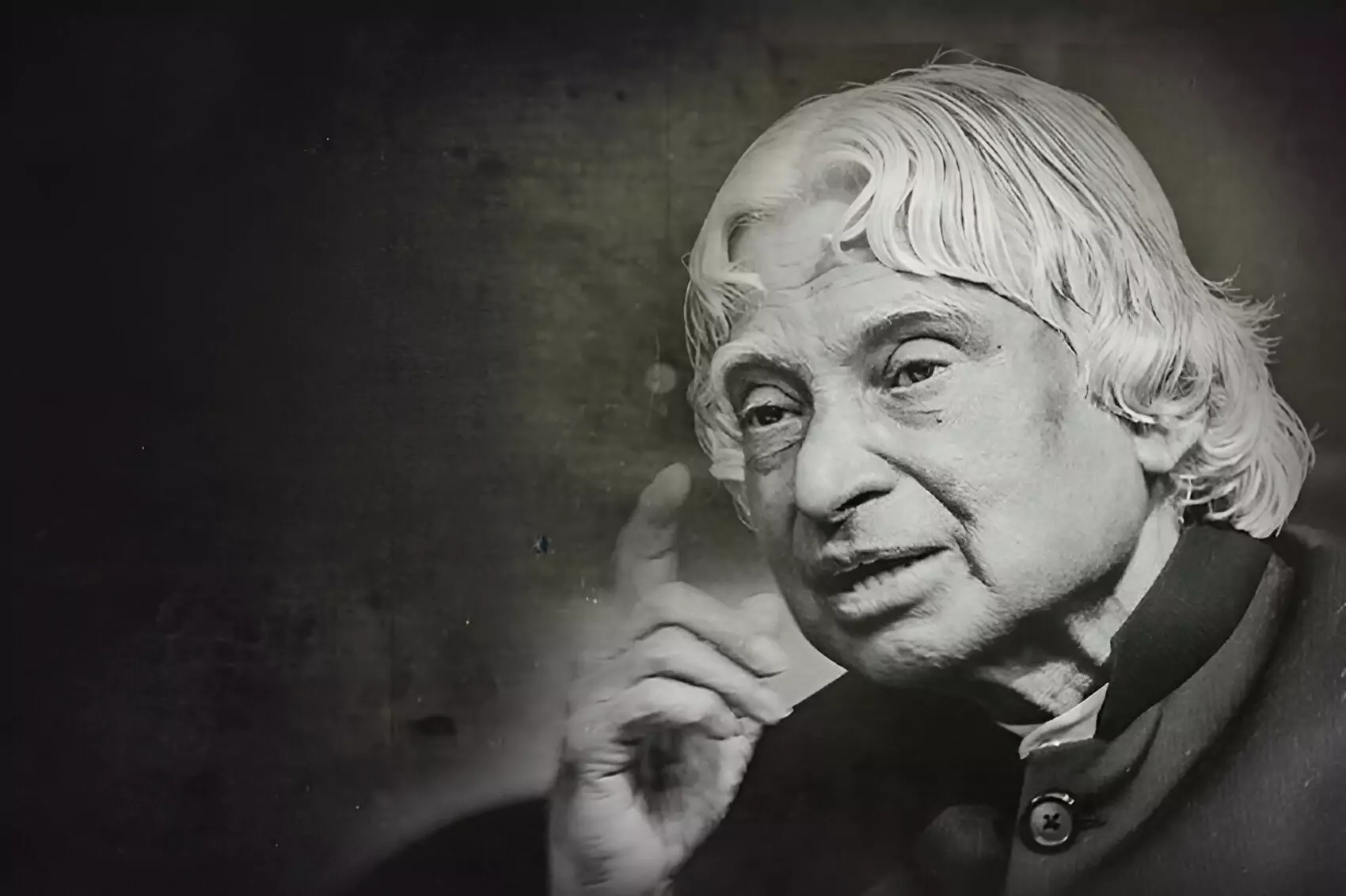
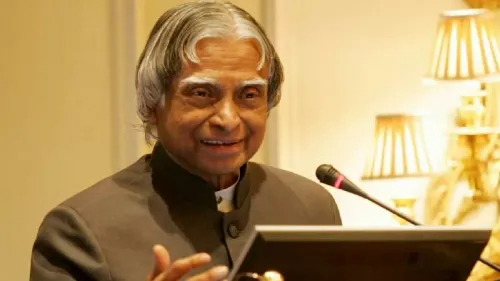
Avul Pakir Jainulabdeen Abdul Kalam, popularly known as APJ Abdul Kalam, was born on October 15, 1931, in Rameswaram, Tamil Nadu, India. He was the youngest of five brothers and one sister. His father, Jainulabdeen, was a boat owner and a pious Muslim who ran a ferry service in Rameswaram. Kalam’s mother, Ashiamma, was a homemaker. Despite financial constraints, Kalam’s family encouraged his love for learning.
Kalam completed his primary education in Rameswaram and later moved to Schwartz Higher Secondary School in Tiruchirappalli, where he excelled in mathematics and physics. He then enrolled in Saint Joseph’s College, Tiruchirappalli, and graduated in physics in 1954.
Kalam joined the Indian Institute of Science (IISc) in Bangalore as a research scholar in 1955. He worked under the guidance of Professor Brahm Prakash and earned his M.Sc. in aerospace engineering in 1957. He then moved to the Defense Research and Development Organisation (DRDO) and worked on various projects, including the development of missiles and rockets.
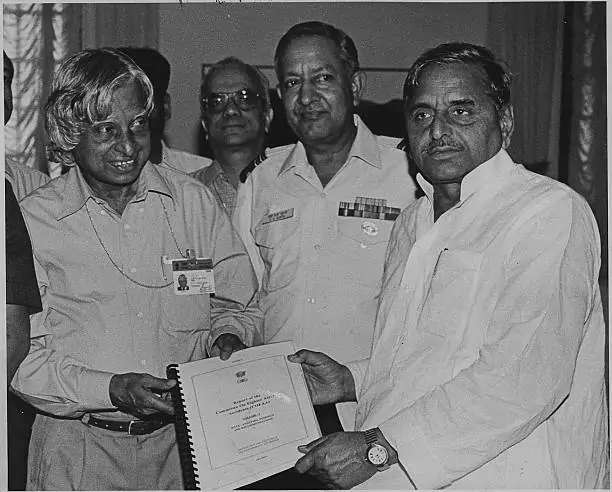
In 1969, Kalam became the project director of the Integrated Guided Missile Development Programme (IGMDP), which led to the successful development of the Agni and Prithvi missiles. His contributions to the development of India’s missile program earned him the nickname “Missile Man of India.”
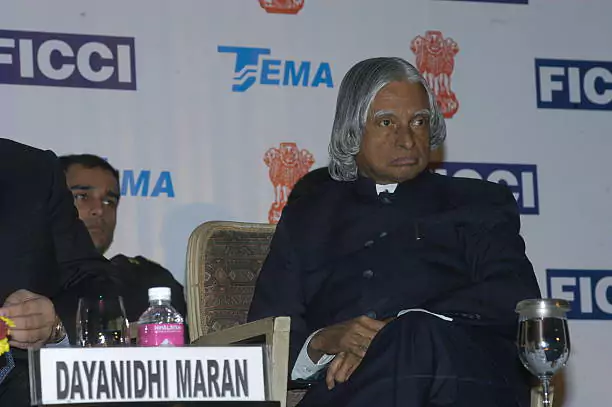
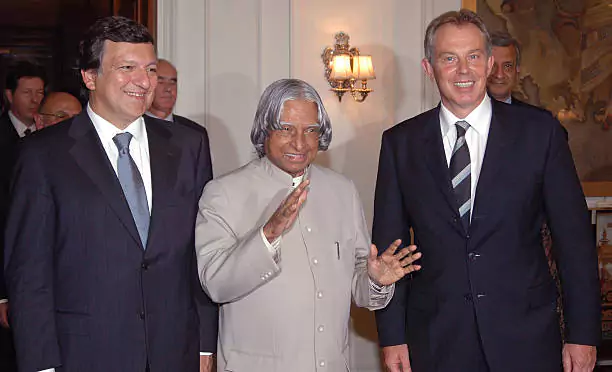
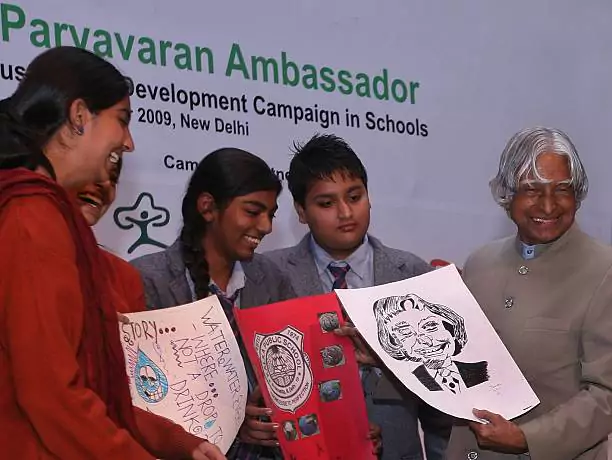
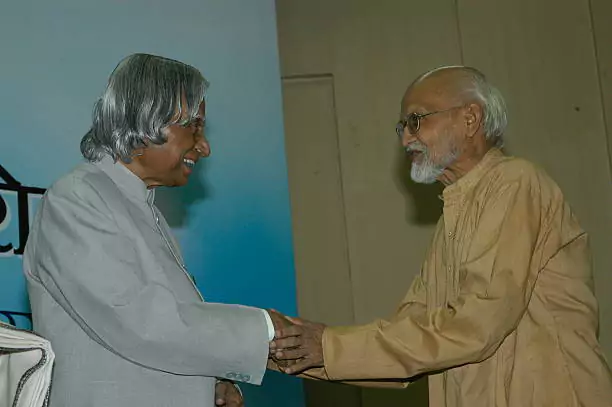
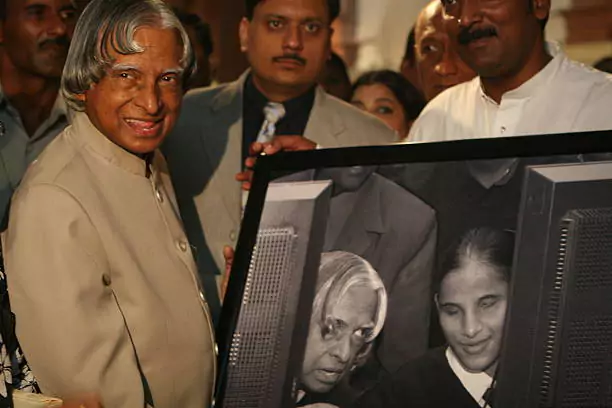
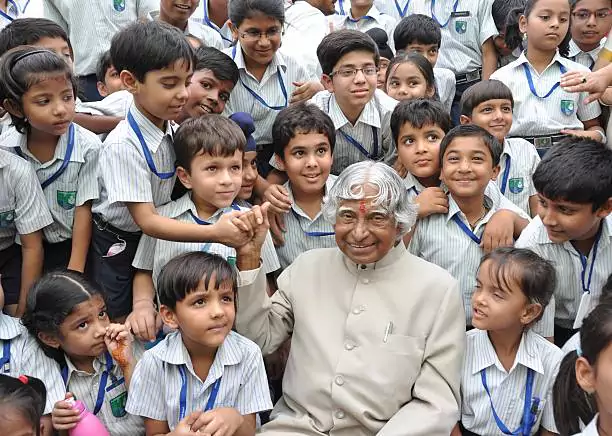
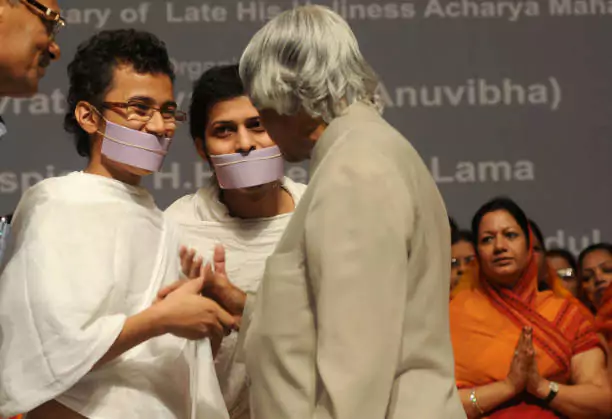
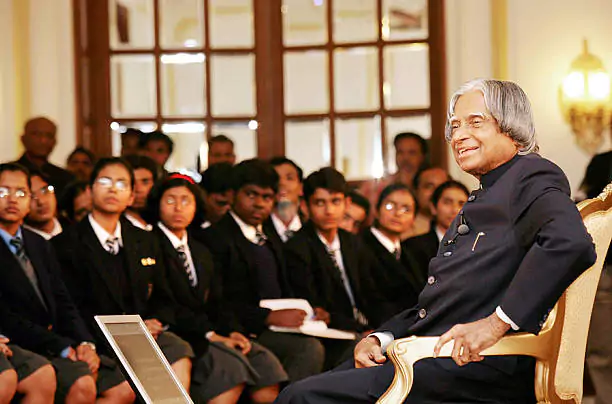
In 2002, Kalam was elected as the 11th President of India, serving a five-year term until 2007. During his presidency, he focused on promoting education, innovation, and rural development. He was known for his simplicity, humility, and accessibility, often interacting with common people and students.
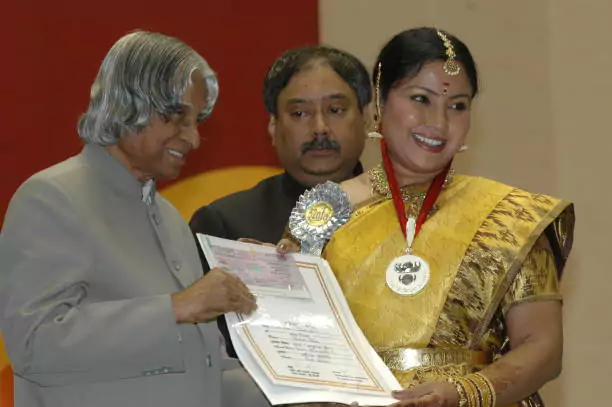
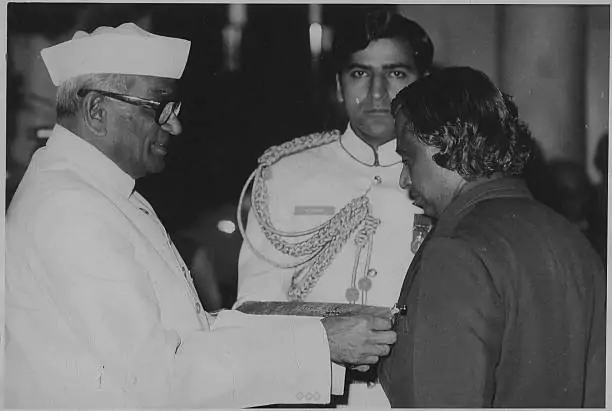
Kalam received numerous awards and honors for his contributions to science, technology, and public service. Some notable awards include:
APJ Abdul Kalam’s legacy extends beyond his scientific achievements and presidential tenure. He was a prolific author, writing several books on science, technology, and society. His autobiography, “Wings of Fire,” is a bestseller. He was also a passionate advocate for education, innovation, and rural development, inspiring millions of Indians and people worldwide.
Kalam’s death on July 27, 2015, was mourned by people across the country. His birthday, October 15, is celebrated as World Students’ Day in India, and a memorial has been built in Rameswaram, his hometown, to commemorate his life and achievements.
These quotes reflect APJ Abdul Kalam’s emphasis on the importance of education, hard work, perseverance, and moral character in achieving success and making a positive impact on the world.