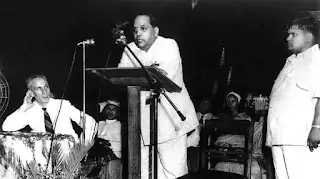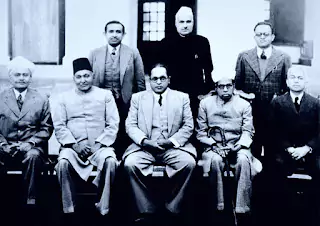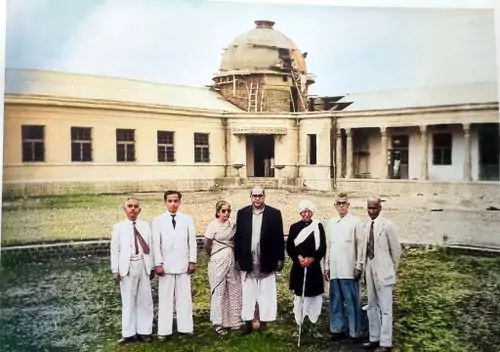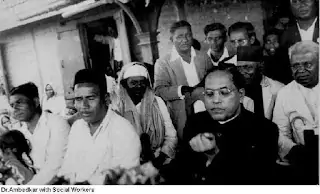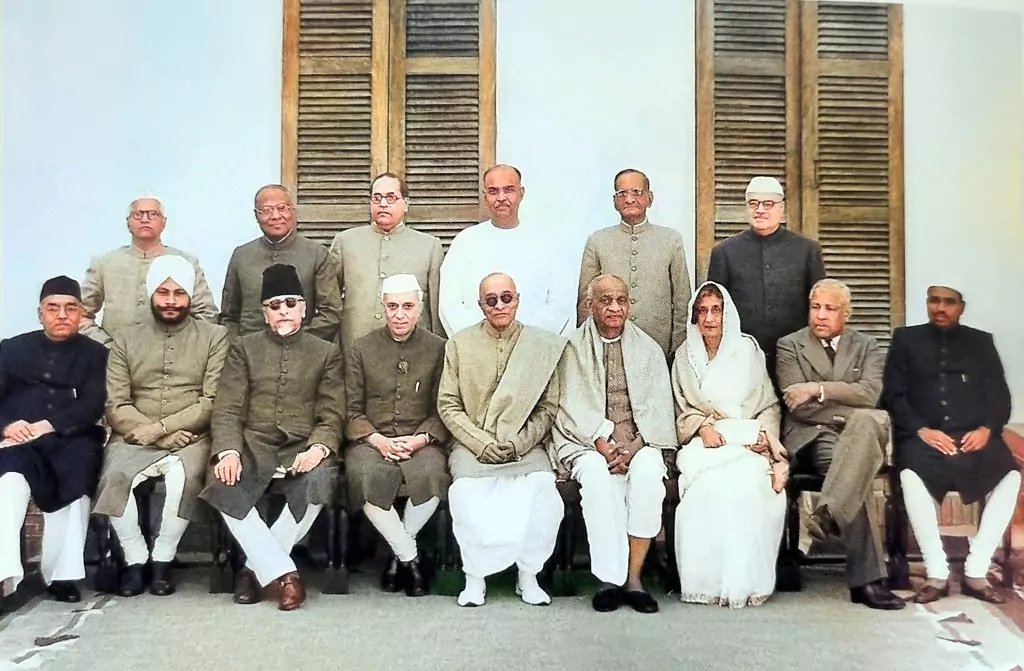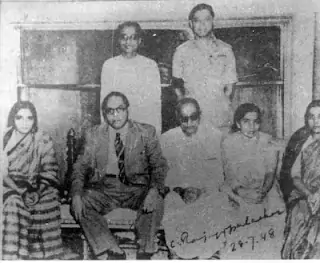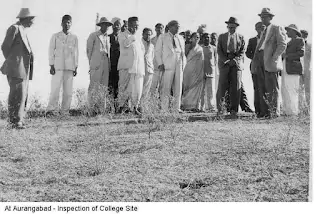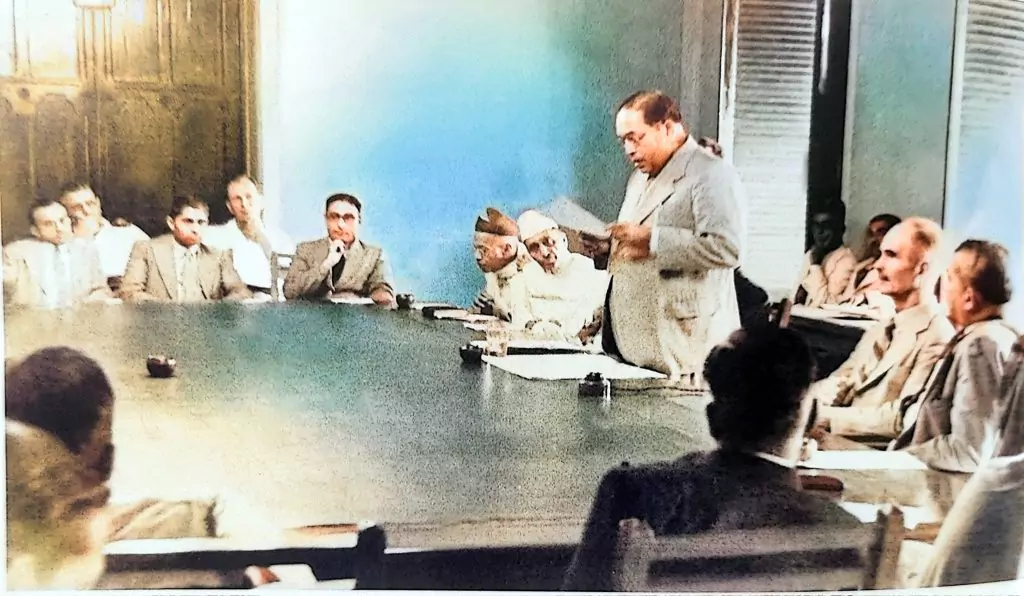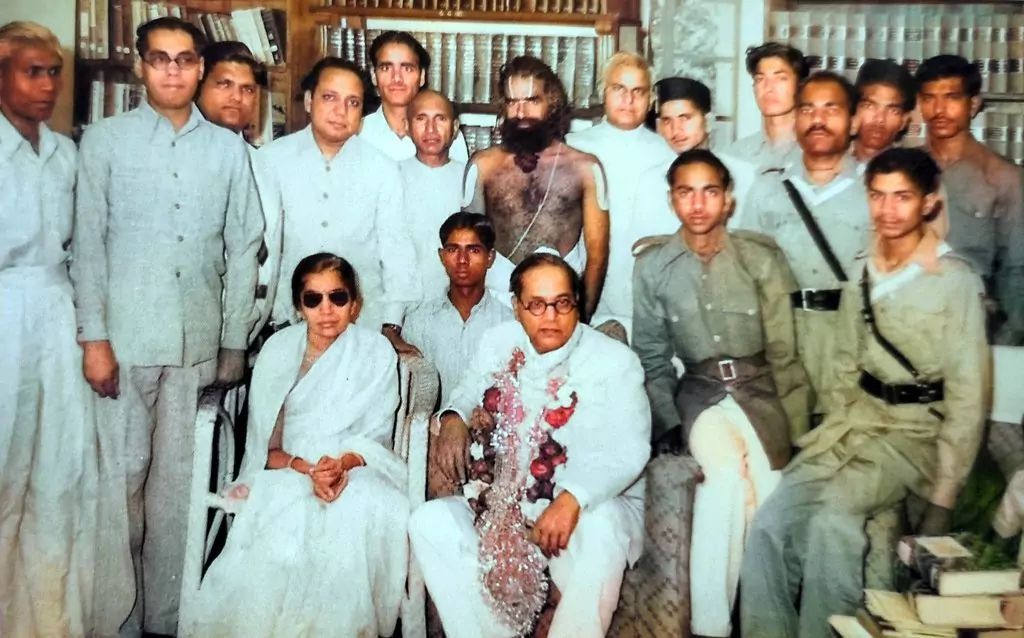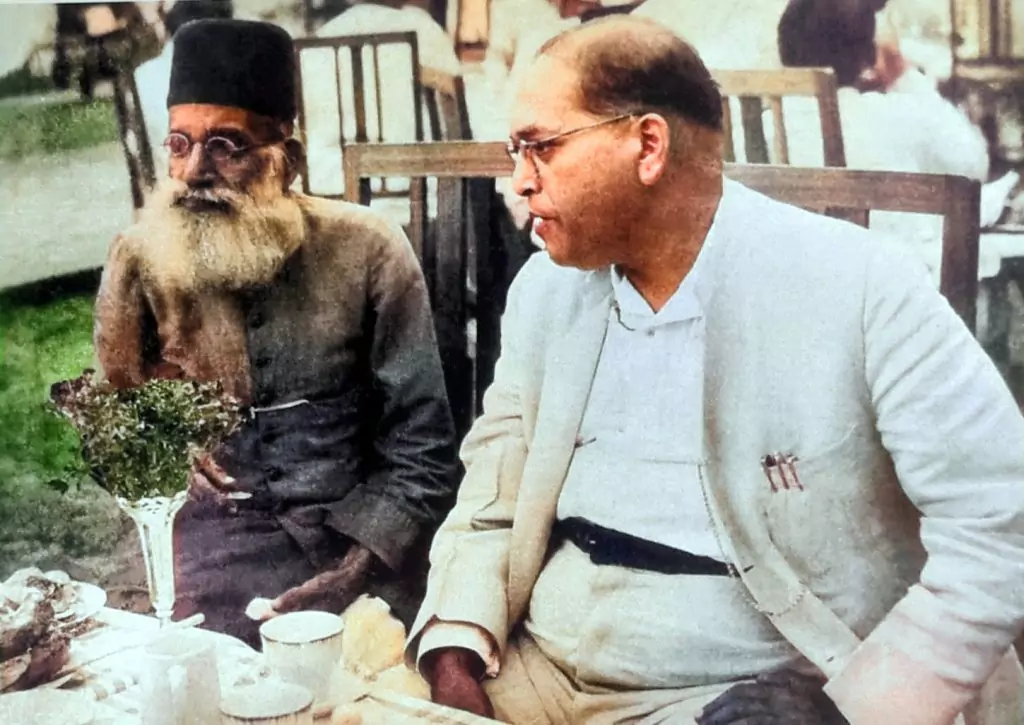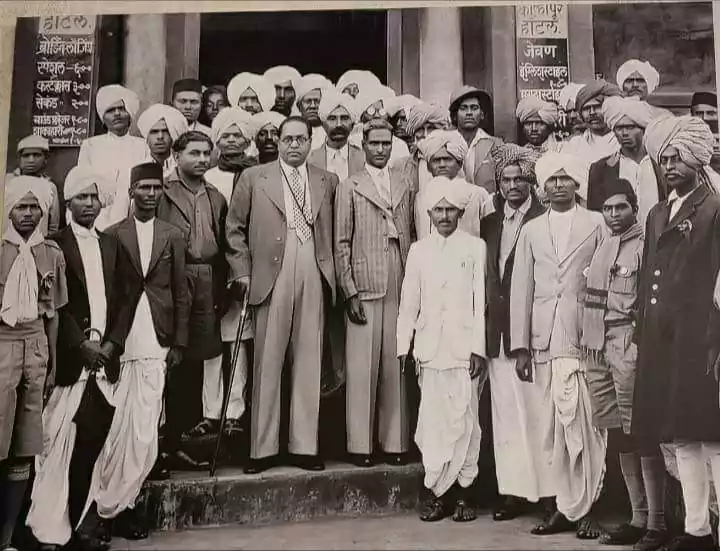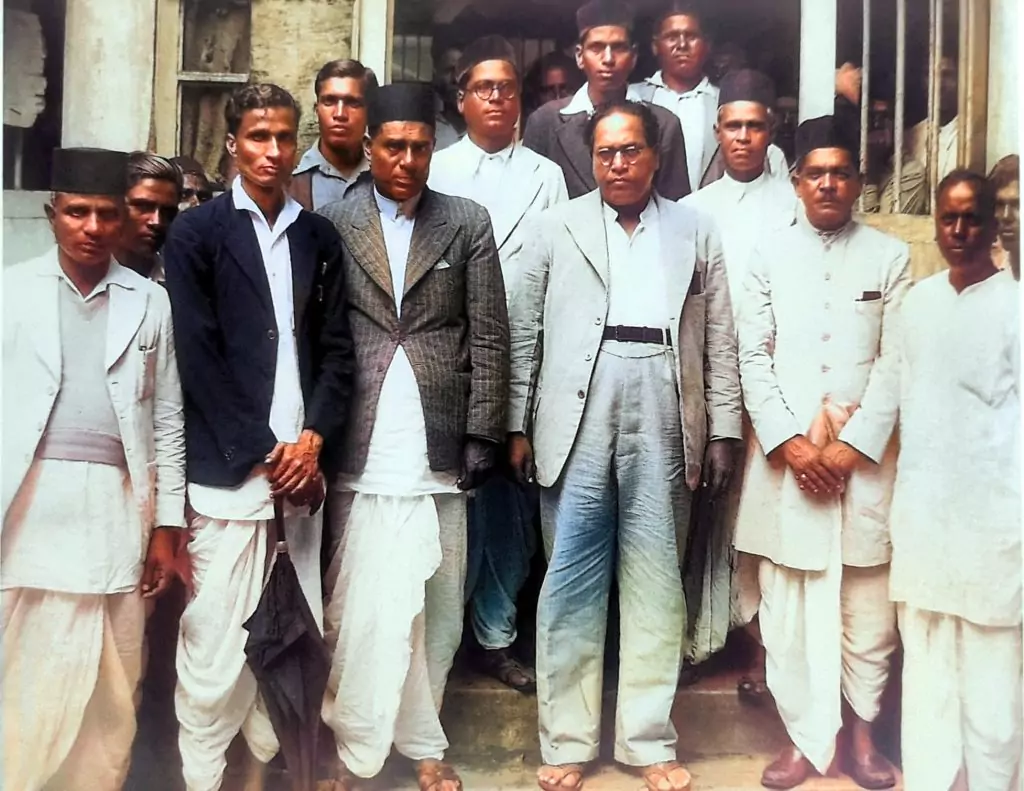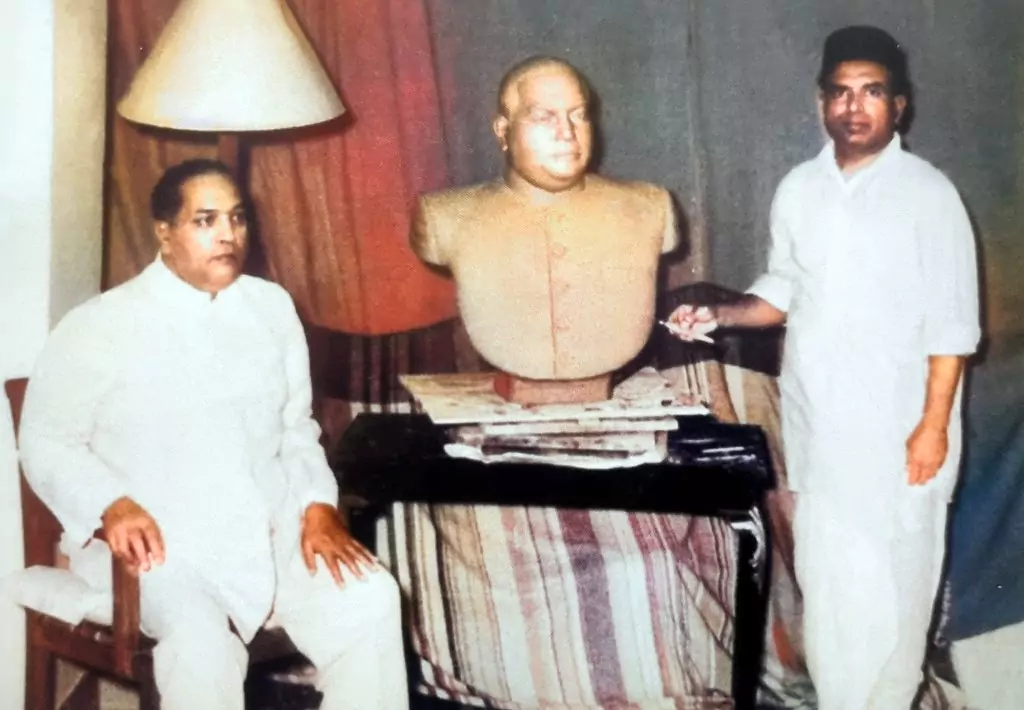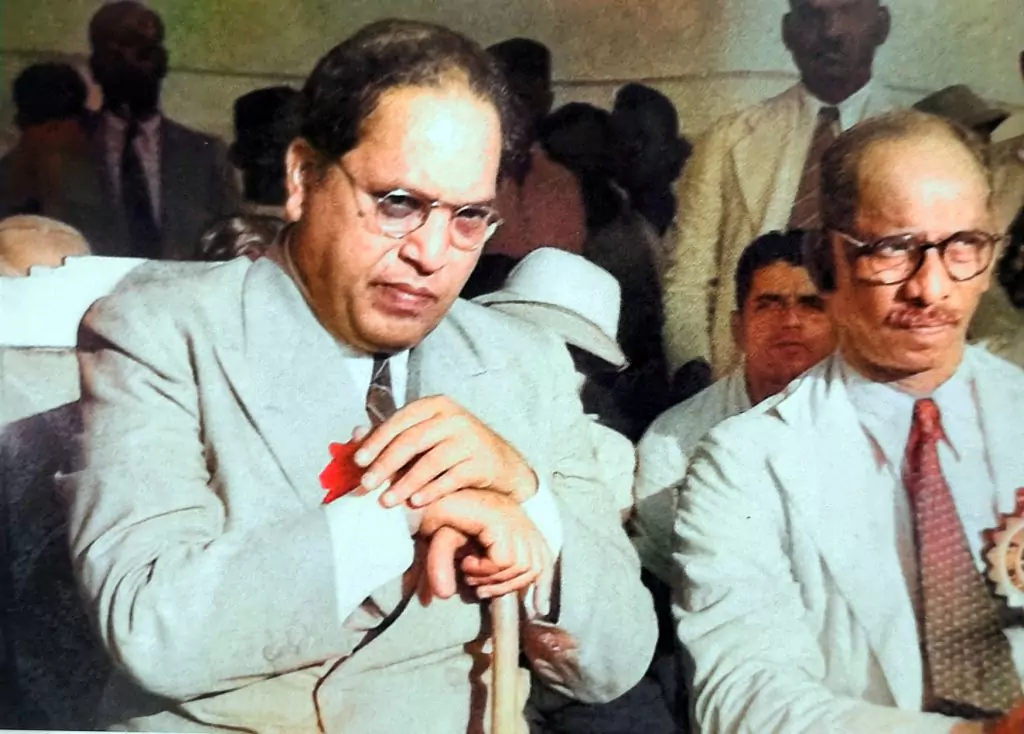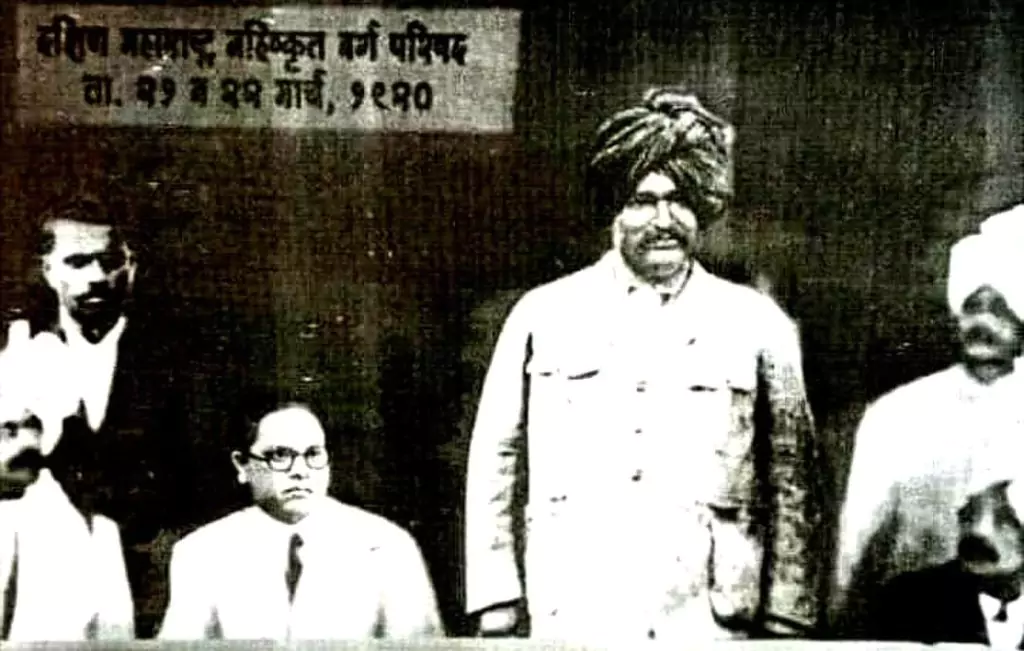

Dr. B. R. Ambedkar, also known as Babasaheb, was a prominent Indian economist, jurist, social reformer, and political leader who played a pivotal role in drafting the Constitution of India. Born on April 14, 1891, in Mhow, Madhya Pradesh, Ambedkar was from the Mahar caste, which was considered untouchable and subjected to socio-economic discrimination. Despite these challenges, he pursued higher education, earning doctorates from Columbia University and the London School of Economics.
Ambedkar is best remembered for his extensive work in fighting against caste discrimination and advocating for social justice. He launched the Kalaram Temple movement in 1930, which involved thousands of volunteers marching to the Kalaram Temple in Nashik to challenge the exclusion of untouchables from religious spaces. He also wrote influential works such as “The Annihilation of Caste,” which critiqued the caste system and advocated for its eradication.
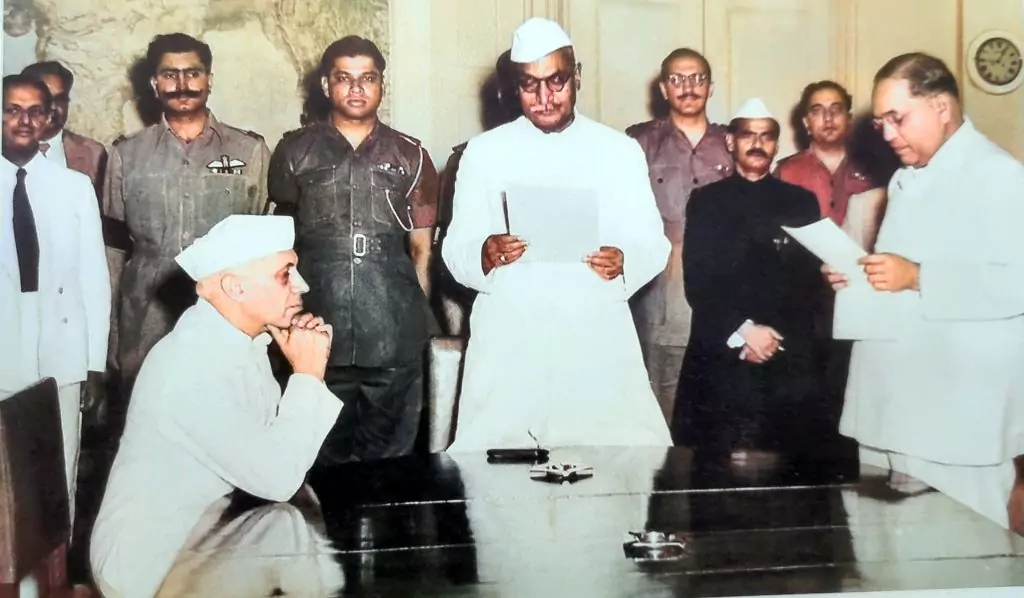
In 1947, Ambedkar became the first Minister of Law and Justice in independent India and chaired the drafting committee for the Indian Constitution. He was instrumental in incorporating fundamental rights and provisions for affirmative action into the Constitution, aiming to ensure social justice and equality for all citizens.
Throughout his life, Ambedkar faced significant opposition from upper-caste groups due to his radical proposals for social reform. Despite these challenges, he continued to advocate for the rights of marginalized communities and worked towards creating a more equitable society. In 1956, he converted to Buddhism, inspiring many Dalits to follow suit, and founded the Dalit Buddhist movement.
Dr. B. R. Ambedkar was a prominent Indian economist, jurist, social reformer, and political leader. His contributions to Indian society and the nation’s constitution are widely recognized. Here’s a breakdown of his career and awards: